Vijay R S

Vijay R S

@vijayrs

I write on income tax and GST here, and I write for the business rather than the salaried filer. On the income-tax side that means the presumptive schemes and who is actually eligible for them, the turnover and cash-transaction tests that pull a business into a tax audit, advance tax and the interest that follows when an instalment falls short, capital gains on business assets, and the disallowances that come up in every second scrutiny — cash payments, unpaid statutory dues, TDS not deducted. On GST it means the mechanics a business has to get right the first time: e-invoicing and e-way bill thresholds, reverse charge, ITC reversals on exempt turnover, and place-of-supply questions on interstate and on-site work. I work from the bare Act, the rules and the department's own circulars, and I put the arithmetic in wherever a rule turns on a number, because that is usually where the disagreement is.

0
Following
2
Followers
16
Articles
1,879
Total views
25
Likes received
Author
Joined Aug 2026
Not verified

Areas of specialization

Income Tax for Business, Presumptive Taxation, Tax Audit, Advance Tax, GST Compliance, E-Invoicing & E-Way Bill, Reverse Charge

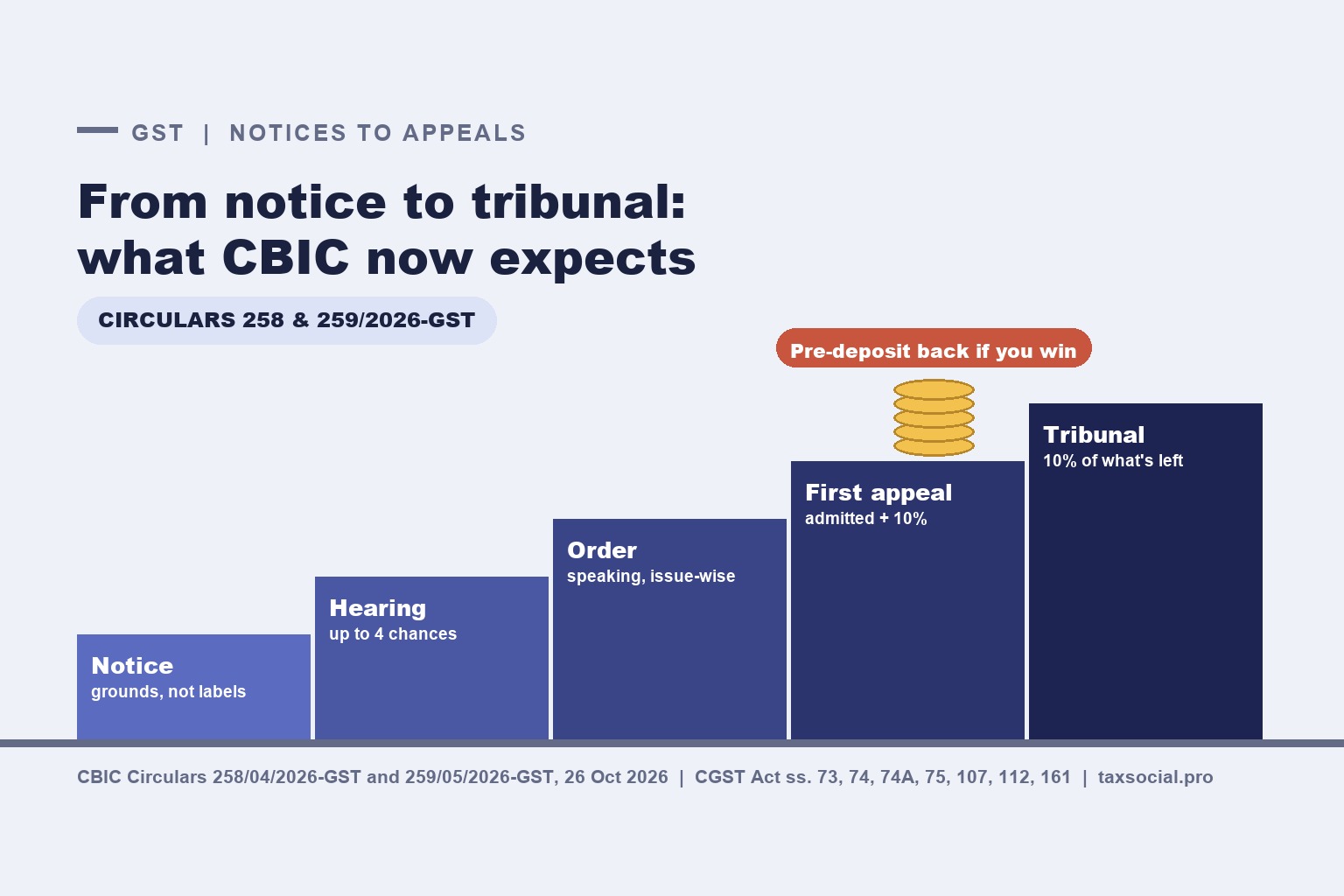
CBIC Issues Circulars on GST Notices, Orders and Appeals: What a Show Cause Notice Should Contain, When Suppression Can Be Alleged, and How Pre-Deposit Works

Vijay R S
Vijay R S · Oct 28
Circular 258/04/2026-GST tells GST officers how to draft a show cause notice and a speaking order, when fraud or suppression can be invoked, how to run hearings and first appeals. Circular 259/05/2026-GST settles six pre-deposit questions. A taxpayer's checklist from both.

You Have a Tax Demand. Here Is What the Department Can Actually Do, and When: The 30-Day Clock, 1% a Month, the Notice to Your Bank, and Why "Pay 20% for a Stay" Is Not the Law (Telangana High Court, September 2026)

Vijay R S
Vijay R S · Sep 14
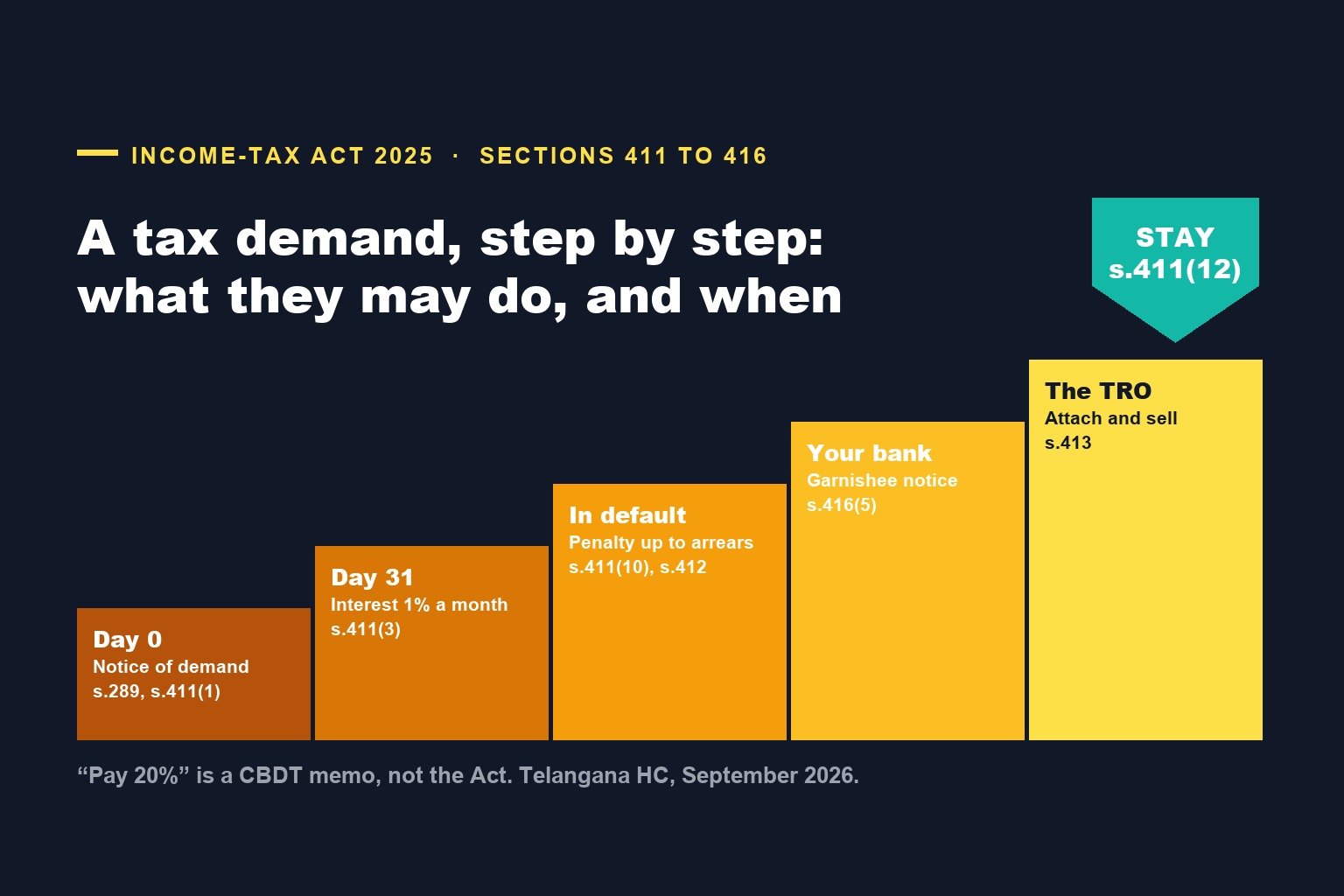
A demand notice starts a 30-day clock, then 1% a month, then "assessee in default", then a notice to your bank under section 416. Filing an appeal stops none of it; a stay under section 411(12) does. The Telangana High Court has just set aside stay orders that treated the CBDT's 20% as the rule. The statute, the memoranda, the Budget's 10%, and a checklist.

Section 147A Struck Down: Punjab & Haryana High Court Holds the Retrospective "Clarification" Unconstitutional and Quashes JAO-Issued Section 148 Notices (Jyoti Sareen, 10 September 2026)

Vijay R S
Vijay R S · Sep 13
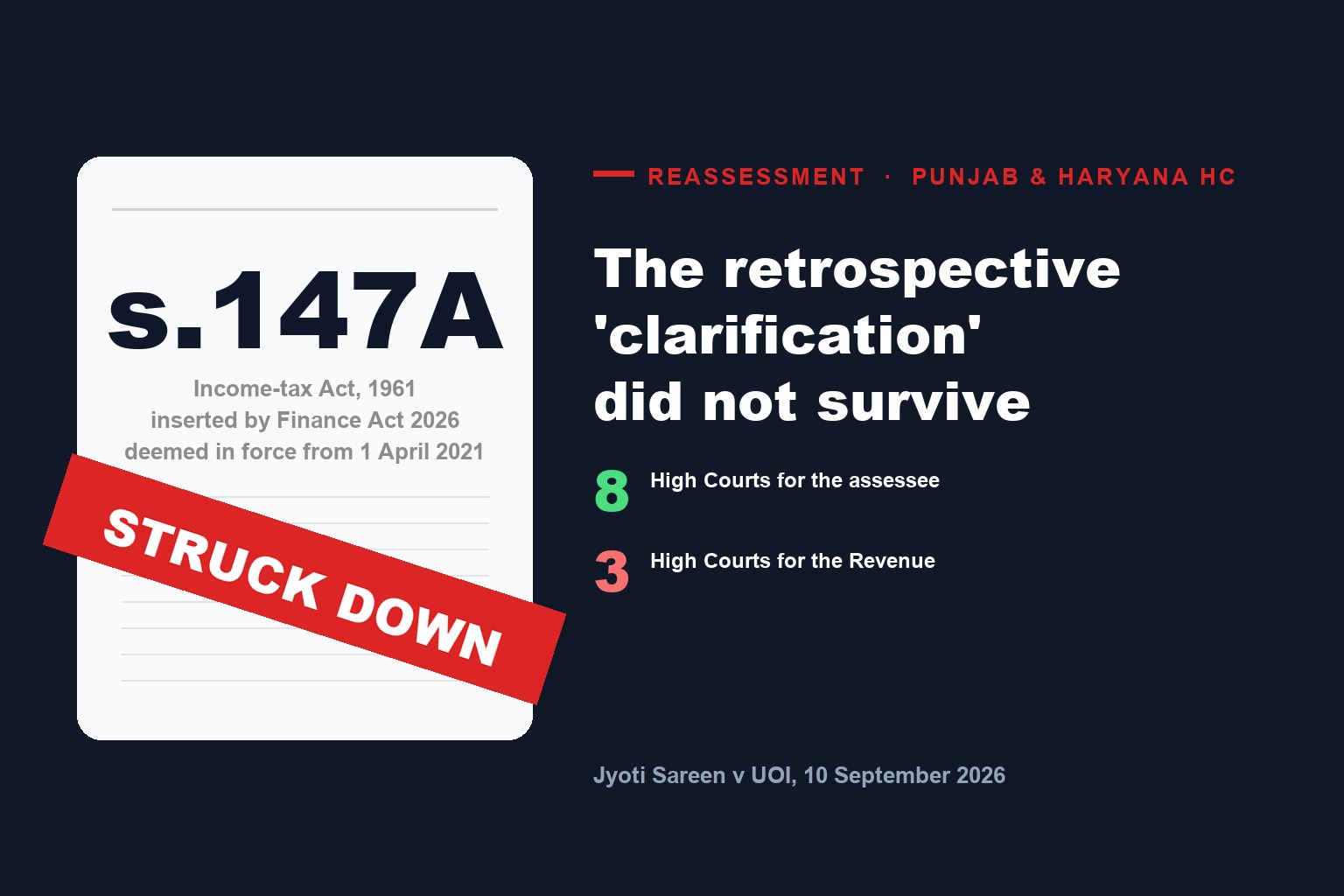
On 10 September 2026 the Punjab & Haryana High Court struck down Section 147A of the Income-tax Act, 1961, the Finance Act 2026 insertion that retrospectively made the jurisdictional officer the "Assessing Officer" for Sections 148 and 148A, and set aside the JAO-issued notices before it. What was decided, why, who it binds, and what to do with a live notice.

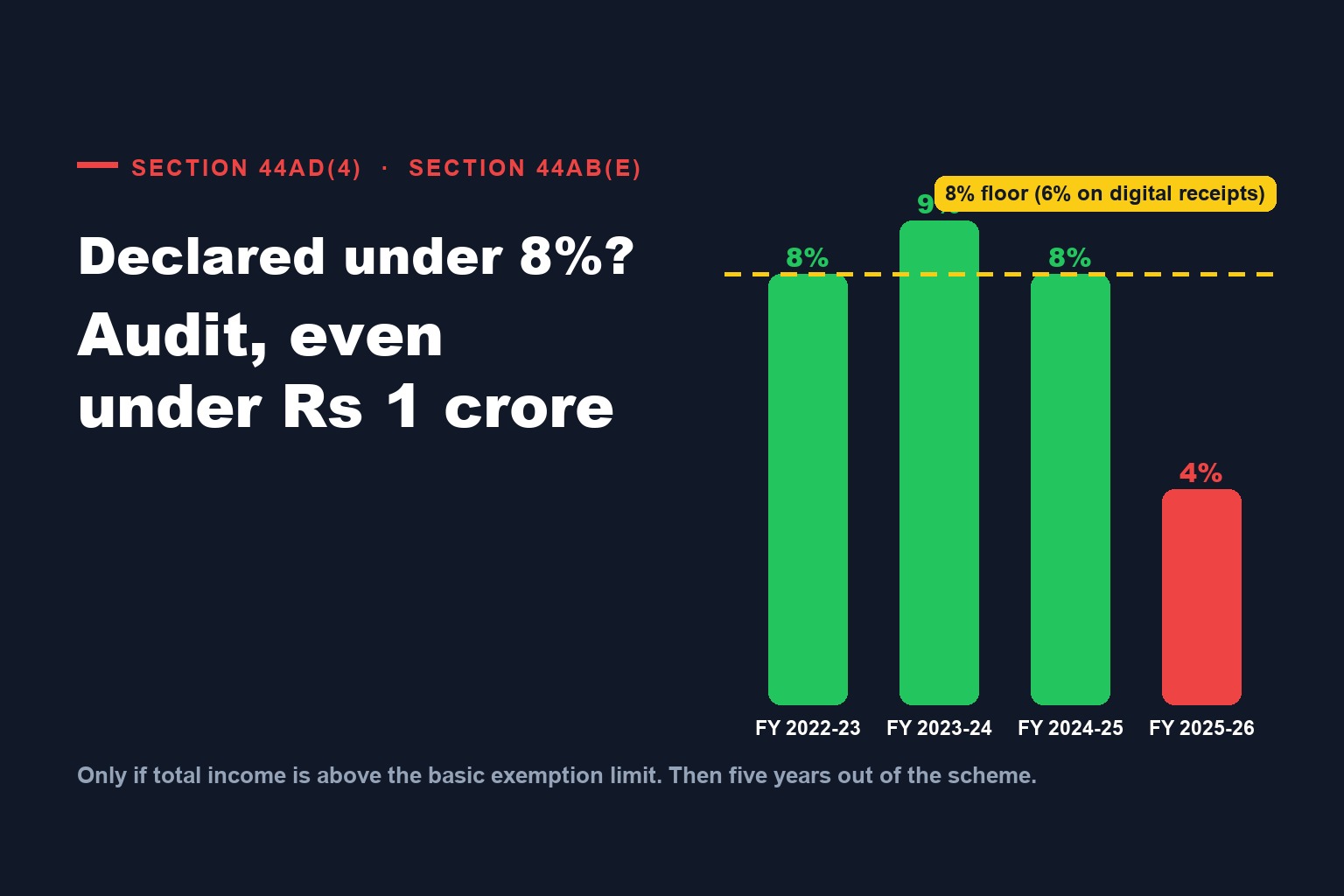
Declared Profit Below 8% or 6%? You May Need a Tax Audit Even Under Rs 1 Crore: The Section 44AD(4) Trap, and Who It Does Not Catch

Vijay R S
Vijay R S · Sep 11
Turnover under Rs 1 crore does not settle the tax-audit question. If you used Section 44AD in any of the last five years and now declare below 8% (6% on digital receipts), Section 44AD(4) applies, and Section 44AB(e) requires an audit when your total income exceeds the basic exemption limit (Rs 4 lakh, new regime). A first-time low-profit declarant who never opted in is NOT caught.

Help

Your public profile. Edit your details, choose what to show, verify your website for free, and request institute verification with Pro.

Visit Help Center

View Plans