Form 16 to ITR Filing for Salaried — Step-by-Step Guide for AY 2026-27 (FY 2025-26)
Decoding money for salaried India — budgeting, debt, first-time investing. Based in Delhi.
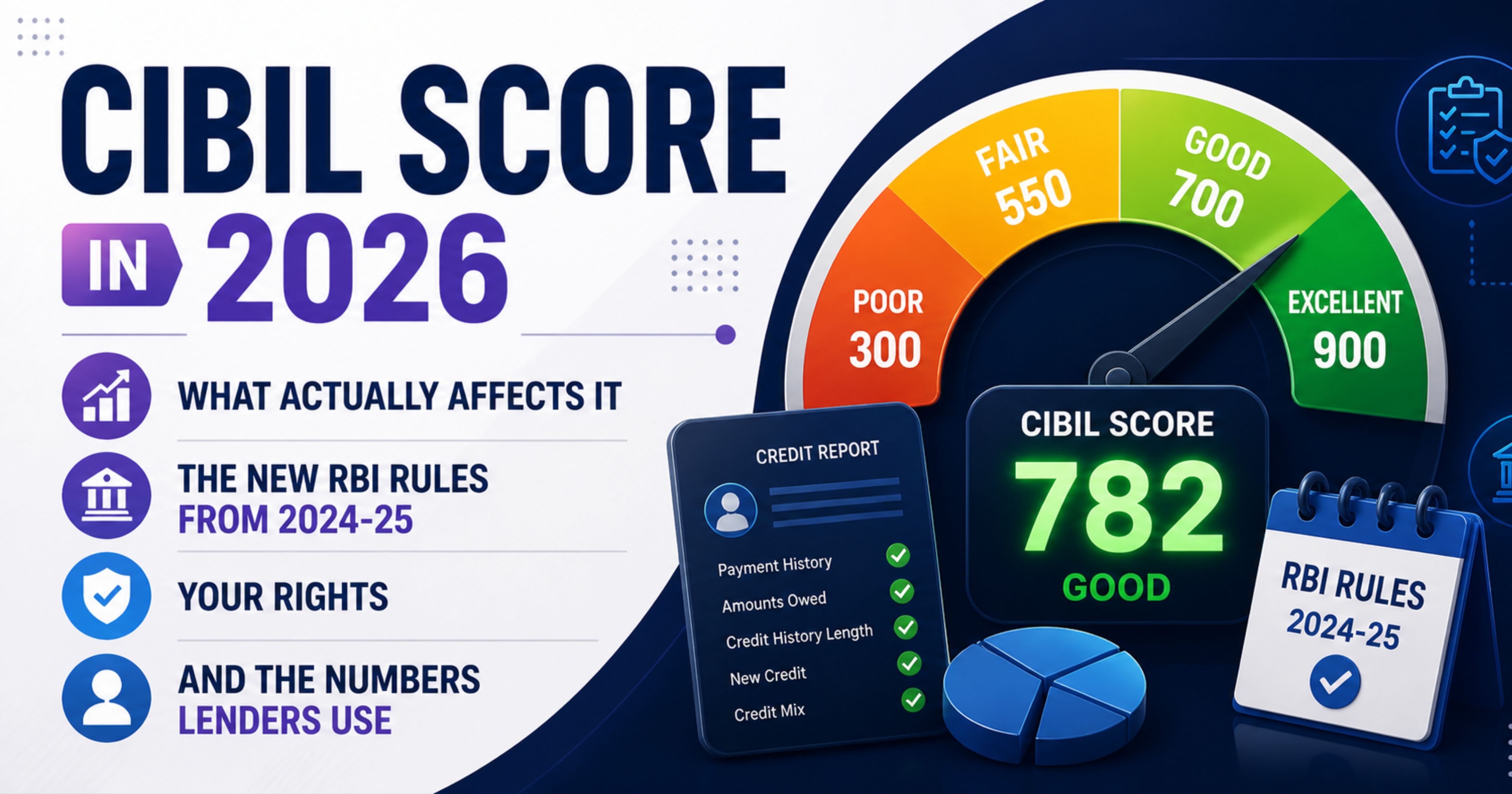
Personal finance for Indian taxpayers sits at the intersection of tax planning, investment selection, regulatory protection and household cash flow. The articles tagged Personal Finance on TaxSocial cover topics that affect day-to-day money decisions: where to invest, how the tax treatment of equity / debt / mutual funds works, what's actually in your CIBIL score, the safety distinction between e-Rupee and UPI, retirement vehicle comparisons, insurance and risk management, and the personal-side consequences of regulatory changes — for instance, what happens when you leave India, or how the new digital-rupee framework changes the role of cash. Each article is written for a reader who will act on the conclusion. Use this hub when a tax client asks a money-management question that strays beyond the return.
Decoding money for salaried India — budgeting, debt, first-time investing. Based in Delhi.
Neha is the personal-finance lead on the TaxSocial founding editorial team. Her articles cover the topics where tax decisions and money decisions meet — equity, debt and mutual fund tax treatment under the post-50AA debt-MF rules; the Section 87A rebate trap on capital gains; CIBIL credit-score mechanics under the latest RBI rules; the safety distinction between e-Rupee and UPI; retirement vehicle comparisons (NPS, PPF, EPF); insurance and risk management; and the personal-side tax consequences of leaving India. She writes for a reader who is going to act on the conclusion the same evening, with a particular focus on the cross-over between filing-season tax decisions and longer-horizon planning.
Fee-only investment advisory in Bengaluru — mutual funds, asset allocation, tax-efficient investing.
Private wealth work — HNI portfolios, estate planning and succession. Mumbai.
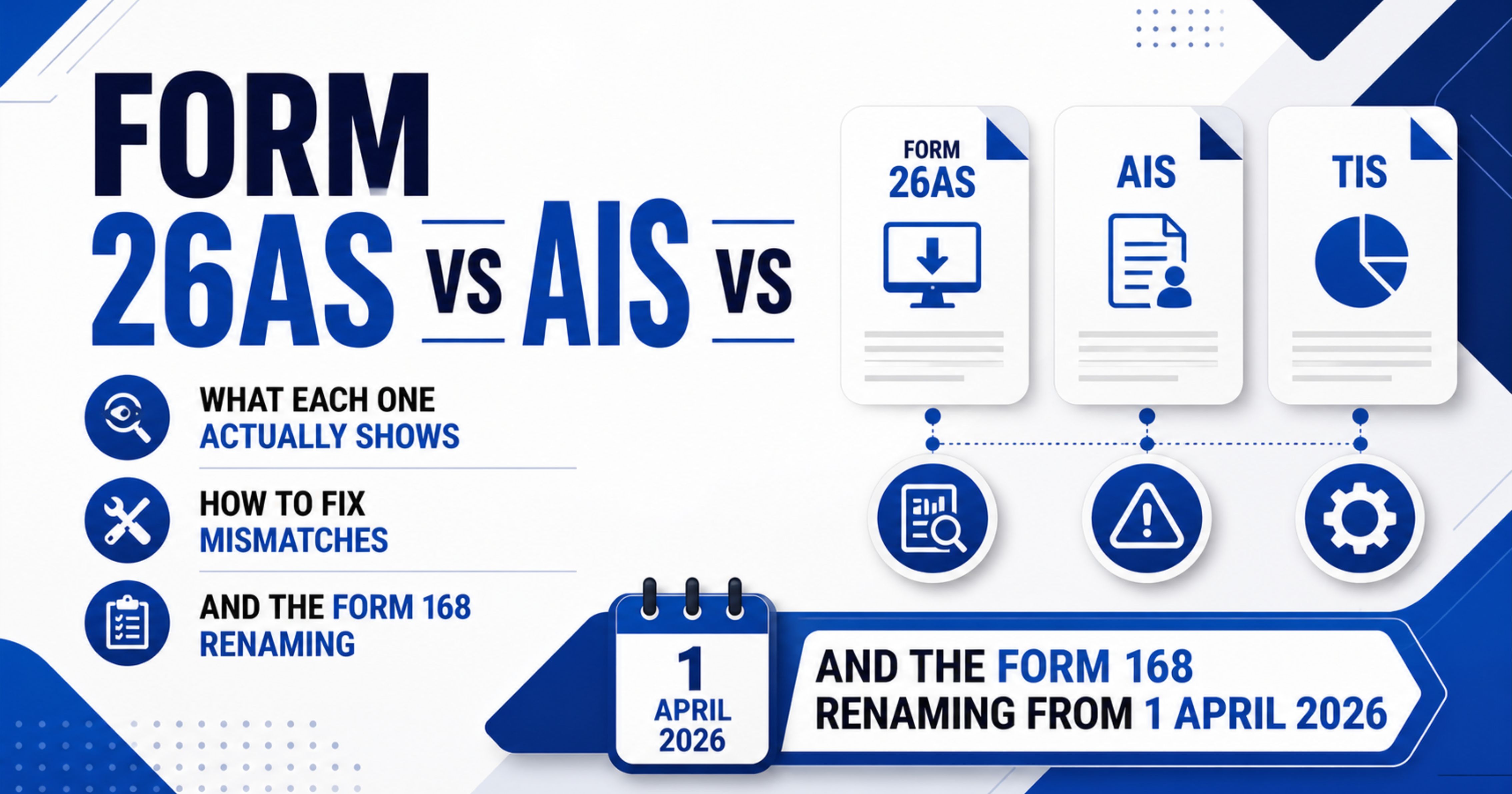
Sneha is part of the founding editorial team at TaxSocial, focusing on operational income-tax topics that affect individual taxpayers and salaried filers. Her articles cover Form 26AS / AIS / TIS reconciliation, the new Form 168 framework under the Income-tax Act 2025, ITR-U updated returns and the Section 139(8A) 48-month window, e-Verification methods, the new tax regime versus old regime comparison for salaried readers, and the practical mechanics of HRA, LTA and standard deduction at filing time. She writes in a problem-first style — the reader arrives with a specific filing question, the article walks through the answer with statute references, and the takeaway is something they can act on the same day.
Decoding money for salaried India — budgeting, debt, first-time investing. Based in Delhi.
Karan is part of the founding editorial team at TaxSocial and writes flagship pieces on tax-law transitions and high-stakes filing decisions. He covers the Income-tax Act 2025 commencement on 1 April 2026, the Tax Year vs Assessment Year vs Previous Year vocabulary shift, capital gains exemptions on sale of house property under Sections 82, 85 and 86 of the new Act, and the cross-year transitional questions practitioners have been asking since the Act was published. His articles are built around the bare Act text, the Income-tax Rules 2026 notified by CBDT, and Section 536 savings clauses that govern how 1961-Act matters are preserved into the new framework. He is a regular contributor on the Section 148 reassessment and dispute-resolution beats.
Neha is the personal-finance lead on the TaxSocial founding editorial team. Her articles cover the topics where tax decisions and money decisions meet — equity, debt and mutual fund tax treatment under the post-50AA debt-MF rules; the Section 87A rebate trap on capital gains; CIBIL credit-score mechanics under the latest RBI rules; the safety distinction between e-Rupee and UPI; retirement vehicle comparisons (NPS, PPF, EPF); insurance and risk management; and the personal-side tax consequences of leaving India. She writes for a reader who is going to act on the conclusion the same evening, with a particular focus on the cross-over between filing-season tax decisions and longer-horizon planning.
Decoding money for salaried India — budgeting, debt, first-time investing. Based in Delhi.
Neha is the personal-finance lead on the TaxSocial founding editorial team. Her articles cover the topics where tax decisions and money decisions meet — equity, debt and mutual fund tax treatment under the post-50AA debt-MF rules; the Section 87A rebate trap on capital gains; CIBIL credit-score mechanics under the latest RBI rules; the safety distinction between e-Rupee and UPI; retirement vehicle comparisons (NPS, PPF, EPF); insurance and risk management; and the personal-side tax consequences of leaving India. She writes for a reader who is going to act on the conclusion the same evening, with a particular focus on the cross-over between filing-season tax decisions and longer-horizon planning.
Fee-only investment advisory in Bengaluru — mutual funds, asset allocation, tax-efficient investing.
Sneha is part of the founding editorial team at TaxSocial, focusing on operational income-tax topics that affect individual taxpayers and salaried filers. Her articles cover Form 26AS / AIS / TIS reconciliation, the new Form 168 framework under the Income-tax Act 2025, ITR-U updated returns and the Section 139(8A) 48-month window, e-Verification methods, the new tax regime versus old regime comparison for salaried readers, and the practical mechanics of HRA, LTA and standard deduction at filing time. She writes in a problem-first style — the reader arrives with a specific filing question, the article walks through the answer with statute references, and the takeaway is something they can act on the same day.
Get the best tax articles delivered daily. Free, no spam.
Daily tax updates, discussions & networking with tax pros.
Join Community Follow Updates Channel →